Online slot games have long attracted attention for their colorful themes, simple controls, and unpredictable results. But for anyone searching for online slots in India in 2026, understanding the games is only part of the picture. The country’s online gaming rules have changed significantly, making it essential to understand the difference between entertainment-only games and money-based gaming. This guide explains slot mechanics, common terminology, game features, and the legal considerations beginners should understand before playing.
What Are Online Slots and How Do They Work?
Online slots are digital games inspired by traditional slot machines. Instead of physical reels and mechanical symbols, they use software to display spinning reels, symbols, animations, and game outcomes.
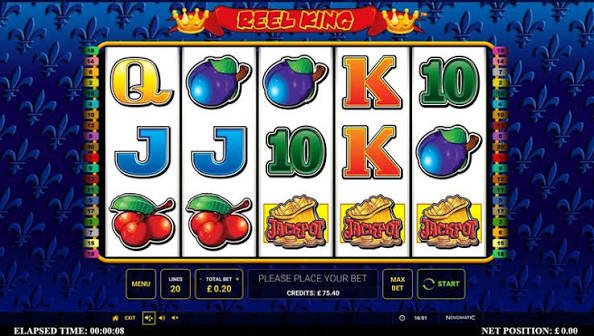
A typical slot game displays several reels containing symbols such as fruits, numbers, gems, or themed characters. When a player starts a round, the reels spin and stop according to the game’s programmed outcome mechanism.
Understanding Random Number Generators
Many digital slot games use a random number generator (RNG) to determine outcomes. An RNG generates values that the game’s software maps to symbols or results.
This means that previous spins do not reliably predict future outcomes. If a game produces several losing rounds in succession, that does not mean a winning round is due next.
Be cautious of websites or videos claiming to reveal a guaranteed winning sequence. Without a legitimate, independently verifiable basis, such claims should not be trusted.
Common Types of Slot Games
Slot games come in several formats, each with different visual features and rules.
- Classic slots: Usually feature a straightforward layout with familiar symbols and simple mechanics.
- Video slots: Use digital graphics, animations, sound effects, and themed gameplay.
- Progressive jackpot slots: In some gaming systems, a jackpot increases as contributions are added to a shared prize pool. These games may involve monetary stakes and therefore require particular legal scrutiny in India.
- Free-play slots: Allow users to explore slot-style mechanics without staking money or receiving cash winnings, provided the game genuinely operates as an entertainment-only product.
These categories describe game design, not legal status. A game does not become permissible merely because it is labelled a video slot, social game, or free game.
Online Slots India: What Is the Legal Position in 2026?
Legal considerations should come before game features or promotional offers. India introduced a major change to its online gaming framework through the Promotion and Regulation of Online Gaming Act, 2025, followed by the Promotion and Regulation of Online Gaming Rules, 2026.
According to the Government of India’s published information, the Act prohibits online money games, including games based on chance, skill, or a combination of both. It also addresses the advertising, promotion, facilitation, and financial transactions associated with prohibited online money gaming services. The 2026 Rules came into force on 1 May 2026.
What Does This Mean for Slot Games?
A slot game involving payment or stakes in expectation of monetary or other enrichment may fall within the prohibited online money gaming framework. The legal assessment depends on the applicable statutory definitions and the product’s actual operation, rather than its marketing description.
For beginners, several practical distinctions matter:
- Entertainment-only games: Games offered solely for recreation, without stakes or monetary gains in return for stakes, are distinct from online money games under the framework.
- Deposit-and-win models: A platform asking users to deposit money to play for cash or cash-equivalent rewards raises serious legal concerns.
- Promotional claims: An offshore website’s claim that it accepts Indian users does not establish that its service is lawful in India.
- Payment availability: The ability to access a payment method or website does not prove that the underlying activity is legal.
If you are unsure about a particular product, consult the current legislation and seek qualified legal advice. Do not assume that rules applying to one type of game automatically apply to every other digital gaming format.
What Do RTP, Volatility, and Paylines Mean?
Slot terminology can be confusing at first. Understanding the basic concepts helps explain how game mechanics are described, particularly when examining entertainment-only simulations or studying slot software.
Return to Player (RTP)
Return to player, commonly called RTP, is a theoretical percentage representing how much a game is designed to return over a very large number of plays under its specified mathematical model.
For example, an RTP figure of 96% would represent a theoretical return of ₹96 for every ₹100 wagered across an appropriate aggregate of play, under the model’s assumptions. It does not mean that an individual player will receive ₹96 back after staking ₹100.
Actual short-term results can differ substantially. RTP also cannot establish that a particular session will be profitable or predict the result of the next round.
Volatility
Volatility describes the distribution of a game’s results.
A lower-volatility game generally produces smaller fluctuations, while a higher-volatility game may produce less frequent but larger fluctuations. These are broad descriptions; the exact distribution depends on the game’s mathematics.
Neither type guarantees a positive outcome. A high-volatility label should not be interpreted as evidence that a large result is approaching.
Paylines and Bonus Features
A payline is a pattern across reels used to determine whether a combination of symbols qualifies for a result. Some games use fixed paylines, while others use alternative systems such as ways-to-win mechanics.
Bonus rounds, wild symbols, scatter symbols, and multipliers are common design features. They can make a game more visually engaging, but extra animations or bonus stages do not automatically make the underlying outcome more favorable.
Always distinguish between an advertised feature and a verified mathematical property.
How to Evaluate an Online Slot-Style Game
If you want to explore slot-style entertainment, focus on transparency, privacy, and whether the game genuinely operates without monetary stakes.
Check the Game’s Rules
Read the rules or help section before starting. Look for explanations of the symbols, scoring mechanics, bonus rounds, and whether the game includes purchases, deposits, redeemable credits, or cash prizes.
A game advertised as free may still include paid features. Determine whether those features involve staking money or the expectation of monetary enrichment.
Review the Provider and Privacy Policy
Check Slot Desi who publishes the game and whether the developer provides clear contact information, terms of use, and a privacy policy.
A privacy policy should explain what information the game collects, how it is used, and whether data is shared with third parties. Avoid applications that request unnecessary permissions or require sensitive financial information for basic entertainment.
Do not install unknown software or provide identity documents simply because a website promises a bonus.
Recognize Misleading Claims
Some gaming promotions use urgency and exaggerated promises to encourage participation. Common warning signs include:
- Claims of guaranteed wins or a secret winning algorithm.
- Pressure to make an immediate deposit.
- Unclear rules about credits, rewards, or withdrawals.
- Requests for additional payments to release supposed winnings.
- Missing company details or unverifiable licensing claims.
These signs do not prove that every feature is fraudulent, but they justify caution. Never share passwords, one-time passwords, or banking credentials with an unverified gaming service.
Responsible Digital Gaming: Keeping Entertainment in Perspective
Even entertainment-only games can become frustrating or time-consuming. Bright graphics, frequent animations, and repeated rewards can encourage people to continue interacting longer than intended.
A few habits can help maintain a healthier relationship with digital entertainment:
- Choose games that do not require monetary stakes.
- Set a time limit before beginning a session.
- Turn off unnecessary notifications.
- Avoid gaming when distressed, tired, or distracted.
- Take breaks rather than playing continuously.
- Stop using a game if it interferes with sleep, work, studies, or relationships.
Never treat slot mechanics as a way to earn regular income or recover financial losses. RNG-based outcomes are unpredictable, and no strategy can guarantee a winning result.
If gaming begins to feel difficult to control, consider taking a break, blocking access to triggering applications, and seeking support from someone you trust or a qualified professional.
Quick Summary: Online Slots India in 2026
- Online slots use digital software to produce reel-based game outcomes.
- RNGs make outcomes unpredictable; past spins do not reliably predict future results.
- RTP is a theoretical long-run measure, not a promise of individual returns.
- The Promotion and Regulation of Online Gaming Act, 2025, and the 2026 Rules prohibit online money games within their applicable scope.
- Free entertainment-only games are distinct from products involving monetary stakes, but their actual mechanics and applicable rules still matter.
- Check game terms, developer information, privacy practices, and legal requirements before using a digital gaming product.
Frequently Asked Questions
Are online slots legal in India in 2026?
India’s online gaming framework prohibits online money games, including games of chance. Slot products involving monetary stakes may fall within that prohibition. Entertainment-only games are different, but the specific product and applicable law should be checked.
Can beginners play free online slot games?
Entertainment-only slot-style games may be available without monetary stakes or cash prizes. Check whether the product includes paid participation, redeemable credits, or monetary rewards before using it.
What does RTP mean in online slots?
RTP stands for return to player. It is a theoretical percentage calculated over a large number of plays, not a guarantee of how much an individual user will receive during a particular session.
Can a slot game guarantee a win?
No legitimate claim of a guaranteed win should be accepted without compelling verification. RNG-based outcomes are unpredictable, and previous results do not establish that a future result will be favorable.
Conclusion
Understanding online slots in India in 2026 means looking beyond reels, themes, and bonus features. Beginners should understand how RNGs and RTP work, distinguish entertainment-only games from money-based products, and pay close attention to India’s current online gaming laws. A sensible approach starts with legal awareness, transparent game rules, and entertainment that does not depend on financial stakes.